The Cycle You Already Own: Screening Reusable Instrument Purchases Against Your Reprocessing Line
Photo: USDAgov, Public domain, via Wikimedia Commons
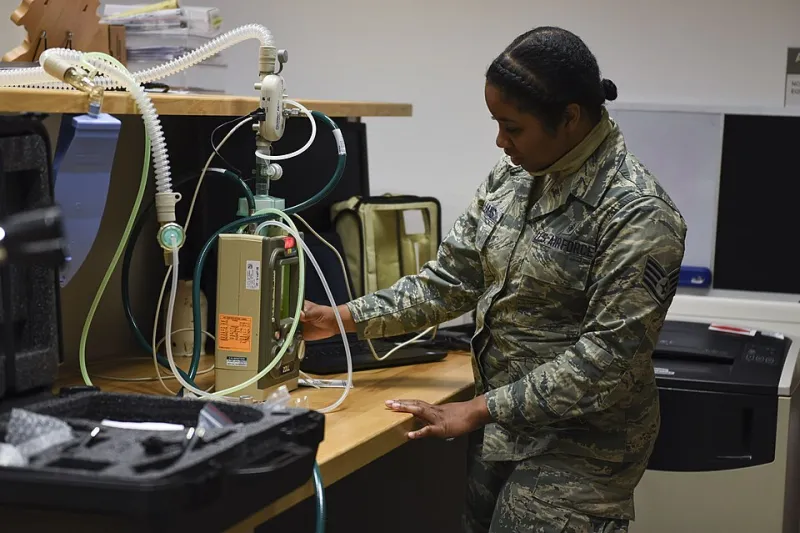
A new instrument set is easy to justify on a catalog page. It is harder to justify once it reaches the reprocessing room and meets a sterilizer that cannot run the cycle the manufacturer requires, a washer-disinfector cart that will not accept the container, or a drying phase that turns a ten-instrument purchase into a daily scheduling problem.
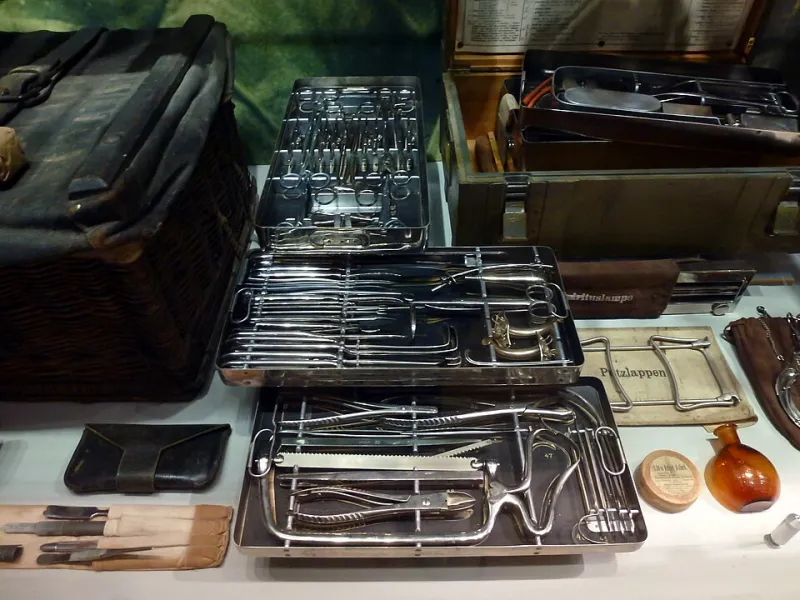
For clinic buyers, reusable instruments and rigid containers are not finished purchases at the point of delivery. Reprocessing is a manufacturing step the clinic performs every day, and every new item must pass through equipment the clinic already owns, under cycles the clinic has already validated. The compatibility question belongs in procurement, not in the first week of use.
The Instructions for Use Are the Specification
Start with the manufacturer's reprocessing instructions for use, not the sales sheet. For reusable devices cleared by the FDA, validated reprocessing instructions are part of the device's labeling, and they describe the cycles, temperatures, exposure times, drying times, and cleaning methods the manufacturer has tested. Ask the vendor for the specific IFU that covers the model and configuration you are buying, including any instructions for accessories, trays, and containers.
Read the IFU against your equipment, line by line. Record the required sterilizer type, the cycle name or parameters, the minimum exposure time, the drying time, and the washer-disinfector conditions. If the IFU calls for a pre-vacuum cycle and your sterilizer offers only gravity displacement, the conversation ends there. If it specifies a particular container system or wrapping method, confirm that your department uses that method consistently.
A Temperature Match Is Not a Cycle Match
Two sterilizers may both reach 270 degrees Fahrenheit and still differ in vacuum depth, phase timing, load sensing, and drying performance. A cycle label such as standard or wrapped is not portable between makes and models. The question is not whether your unit gets hot enough, but whether it can run the specific cycle type named in the IFU, with the load configuration you intend to process.
Confirm chamber dimensions and usable shelf space as well. A set that fits the chamber with no clearance for air removal and steam penetration is not a validated load, even if the door closes. Ask the vendor for the load configuration they tested, and compare it with how your staff will actually load the unit during a busy morning.
Lumen, Mass, and Container Limits
Reusable instruments increasingly include cannulated and lumened designs, and their IFUs often state maximum lumen length and diameter, minimum flow through the channel, and specific cleaning connectors. A washer-disinfector that handles general instruments may not be validated for long narrow channels without the right irrigation rack.
Weight matters as much as shape. Weigh the proposed set dry, then add the tray, container, and any organizing inserts. Compare that figure with the load limits for your washer-disinfector cart, sterilizer shelves, and transport carts. Heavy sets also retain heat and lengthen drying, which affects turnaround more than buyers expect.
Rigid containers deserve separate scrutiny. Not every container is validated for every sterilizer cycle, and some container systems require specific filters, valves, or locking configurations. If the clinic standardizes on one container platform, confirm that the new instruments are compatible with it before you introduce a second platform that staff must learn to assemble correctly.
Tray Footprint and the Finite Chamber
Sterilizer chambers are finite boxes, and daily volume is determined by how many validated loads fit through them. Map the new tray and container footprint against your shelf dimensions, cart capacity, and pass-through configuration. Leave room for proper loading; a chamber packed to the edges compromises the cycle and is likely to be cited in a survey.
Also check storage. Containers that stack poorly or require dedicated shelving can consume space the clinic has not budgeted, and instruments stored in corridors or unsecured areas create a separate compliance problem.
Drying and Turnaround at Daily Volume
Drying is where compatibility screens most often fail. A set that dries adequately in a demonstration may need a longer dry phase in a busy clinic with a cooler chamber, a heavier load, or a container that traps moisture. Multiply the full cycle time by the number of sets the clinic will process on its busiest day.
If the clinic runs one set per procedure and the cycle takes ninety minutes, the arithmetic is clear: either the clinic buys additional instrument sets to cover the interval, adds sterilizer capacity, or accepts a workflow that will not hold. That calculation belongs in the business case, not in a post-purchase apology.
Staff Competency and the Documentation Trail
New instruments require documented training, not a verbal handoff at the shift change. Competency should cover loading configuration, cycle selection, biological and chemical indicator handling, and the recall procedure for a failed load. Keep the manufacturer IFU on file, record the validation of the cycles you use, and retain training sign-offs and load records in a retrievable format. Surveyors and accreditation reviewers expect the clinic to demonstrate that staff perform reprocessing according to the manufacturer's instructions and recognized standards such as AAMI ST79.
A Practical Pre-Purchase Screen
Before the order is approved, confirm the following: the exact IFU for the model being purchased; the required sterilizer cycle type and parameters; the washer-disinfector method and any lumen accessories; maximum weight and lumen limits; container and tray compatibility with your existing platform; chamber and shelf fit with proper clearance; drying time at your expected load size; the number of sets needed to cover turnaround at peak volume; and a training and documentation plan with named owners.
A pilot lot processed through your own equipment, with the results recorded, is worth more than any demonstration in a showroom. The instrument is only as usable as the cycle that clears it.