The Missing Binder Is a Procurement Defect: Contracting for Device Documentation in 2026
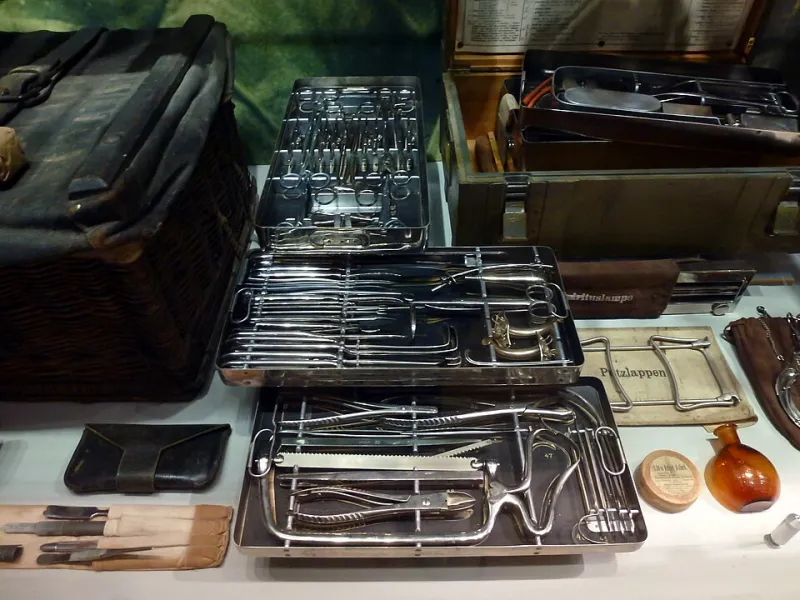
Photo: Flickr user : https://www.flickr.com/photos/thrutheselines, CC BY 2.0, via Wikimedia Commons
At most clinics, the purchase order is where price, warranty, and installation get negotiated. Documentation often arrives later, if it arrives at all, as a binder, a thumb drive, or a link that expires. That is a procurement defect waiting to surface. A missing service manual can stall a preventive maintenance visit; absent recovery media can turn a software fault into a week of vendor calls; incomplete training records can complicate competency checks. In 2026, as more exam room devices depend on firmware, network configuration, and licensed software, the paperwork is part of the product.
Documentation Is a Deliverable, Not a Courtesy
When a contract is silent on documentation, the clinic has no acceptance standard, no delivery deadline, and no remedy. The vendor may intend to provide everything, but intentions do not survive personnel changes or post-sale handoffs. The practical fix is to treat the documentation packet as a named deliverable in the purchase order or contract. It does not need a dramatic price. It needs a definition, a due date, and a consequence.
Not every device requires the same packet. A low-risk exam table may need only an operator manual, assembly instructions, and a warranty statement. A software-connected analyzer or imaging component may need service documentation, configuration records, recovery media, and security guidance. The point is to match the packet to the device and to the clinic's maintenance model. If biomedical staff will perform first-line service, the packet must support that work. If a third-party provider will service the device, the clinic still needs enough documentation to evaluate and onboard that provider.
Build the Packet Before You Issue the PO
Start with a checklist that reflects how the device will be used, maintained, and eventually retired. A reasonable packet may include:
- Service and repair information: service manual, schematics, troubleshooting trees, calibration procedures, part numbers, and approved replacement components.
- Preventive maintenance schedule: task list, intervals, tolerances, consumables, and records templates that match the installed configuration.
- Software and configuration records: installed version matrix, firmware update procedure, recovery media or restore image, license keys, and configuration backup instructions.
- Network and security documentation: manufacturer disclosure statement for medical device security where applicable, DICOM conformance statement for imaging devices, hardening guidance, and instructions for changing default credentials.
- Installation and acceptance records: site preparation requirements, utility specifications, installation checklist, and initial performance verification results.
- Training records: named attendees, dates, topics covered, competency verification, and refresher requirements.
- Regulatory and warranty documents: labeling, instructions for use, warranty terms, service bulletin process, and recall or field correction notification path.
- Asset data: serial number, model, software version, warranty start date, and service contact escalation list.
The packet should be serial-specific where the manufacturer permits it. A generic manual for the model family is better than nothing, but it may omit options, software revisions, or site-specific configuration that your team needs. Require current revisions and a method for identifying updates.
Contract Mechanics: Deadline, Format, and Acceptance
Specify a preliminary packet due before delivery and a final packet due before final payment. The preliminary set lets biomedical review site requirements, training needs, and service access before the device is uncrated. The final set confirms that the documents match the serial-numbered device actually installed.
Format matters. Require searchable PDFs for manuals and native files where practical. License keys and credentials should move through a secure transfer method, not a general email thread or an unsecured USB drive. If the vendor provides a web portal, state how long access will remain available and what happens if the clinic changes owners or service providers.
Acceptance language should be direct: the equipment is not accepted until the documentation packet is complete and verified. Add documentation as a line item on the acceptance certificate. Consider holding a final payment milestone, such as 10 percent, until packet acceptance. That single mechanism gives the clinic leverage without turning the contract into a dispute.
Remedies should be proportionate and clear. A cure period of 10 business days is common. If the vendor does not cure, the clinic may obtain missing documents from the manufacturer or an authorized service provider and offset reasonable costs. For delays that affect clinical availability, the contract can extend the warranty start date or require a documented remediation plan. Contract counsel should review the final language, but operations leaders should define what complete means.
Verify Content, Not Page Count
A thick binder is not proof of a usable packet. Acceptance should test whether the clinic can act on the information. Can biomedical identify the correct part number for the installed configuration? Does the PM schedule match the device options actually purchased? Can the software be restored to the version that was validated in the clinic? Are training records tied to named staff and competencies, or do they list only a sales demonstration? Are revision dates current, and are service bulletins included?
Assign one person to verify the packet before signing acceptance. That person should not be the sales representative. A biomedical technician, practice manager, or procurement lead can use a simple document register: item required, received, revision date, format, and verification notes. Store license keys and credentials in a controlled system with backup access.
Keep the Packet Alive During Warranty
Documentation is not static. Software updates, service bulletins, changed PM intervals, and replacement parts can all alter what the clinic needs. Add a warranty-period clause requiring updated manuals, service bulletins, and software release notes at no additional charge. Name a clinic owner for document maintenance and index the packet in the computerized maintenance management system or a shared equipment register. If the clinic uses third-party service, confirm that the documentation rights allow that provider to use the materials for maintenance and repair.
A Closing Checklist for the Next Order
Before the next equipment order goes out, confirm four things: the packet is defined by device type, delivery is tied to a date and payment milestone, acceptance requires verification rather than mere receipt, and remedies exist if the vendor falls short. Documentation will never be the most exciting line in a contract. It is, however, clinical infrastructure. Treat it that way, and the missing binder stops being a surprise after installation.
This article is general procurement guidance, not legal advice. Clinics should have contract counsel review acceptance, payment, and remedy language.