Twelve Quiet Budget Leaks Hiding in Your Clinic’s Supply Cabinets

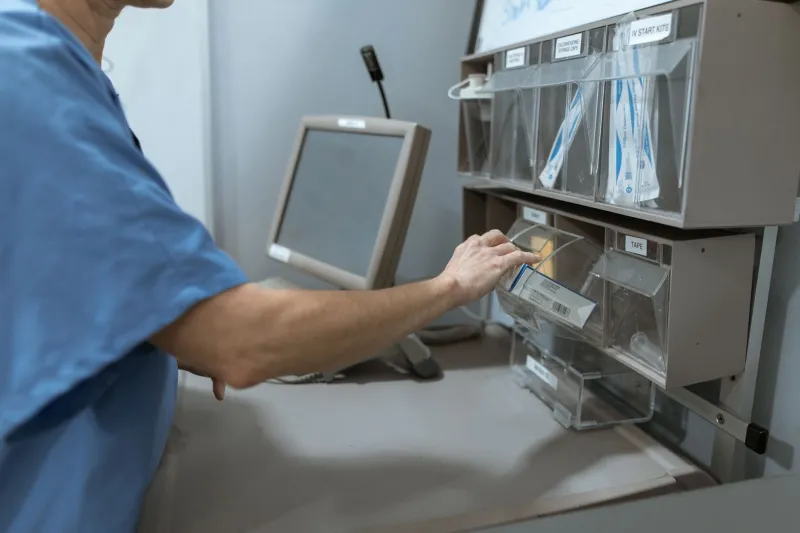
Supply cabinets are not glamorous, but they are one of the most reliable places to find unplanned spending. In many US clinics, the closet is not managed as inventory; it is managed by memory, habit, and the fear of running out. The result is a quiet accumulation of duplicate products, expired sterile packs, and over-specified items that cost more per use than the task requires. A structured supply audit in 2026 does not need to be complicated. It needs to be repeatable, documented, and tied to par levels that reflect actual use.
Begin with a room-by-room baseline
Start where supplies are stored and used: exam rooms, procedure rooms, treatment areas, the central supply closet, and any overflow storage. For each space, count what is on hand, note the unit of measure, and record the earliest expiration date. Assign one owner for the audit and a second reviewer for high-cost or high-risk items. The goal is not to empty shelves. The goal is to distinguish necessary stock from accumulated stock.
A simple audit sheet should capture item name, manufacturer and item number, quantity on hand, quantity used in the last 90 days, expiration date, storage location, and whether the item appears in more than one room. That last column is important. Duplication is often invisible until every cabinet is reviewed side by side.
Twelve items that quietly consume budget
-
Glove size and brand sprawl. Clinics often stock four or five sizes across multiple brands because different staff members prefer different fits. Standardize where clinically appropriate, confirm actual usage by size, and keep a small reserve rather than a full case of every option.
-
Expired sterile procedure packs. Sterile packs are expensive and easy to overlook when they sit behind newer stock. Rotate by expiration date, move older stock forward, and reduce order quantities for packs with low turnover.
-
Duplicate wound-care dressings. A cabinet may contain several similar dressings that differ only by size, backing, or manufacturer. Consolidate to the smallest clinically acceptable range and verify that staff are not opening a larger dressing for a smaller wound simply because it is closer to hand.
-
Over-specified gauze and bandages. Not every routine task requires a premium product. Review whether the clinic is using high-absorbency or specialty dressings for ordinary dressing changes. Match the product to the clinical need, not to the purchasing habit.
-
Single-use kits stockpiled beyond use. Procedure kits and convenience trays can be useful, but they become waste when they are bought in bulk and used only occasionally. Compare kit purchases with procedure volume and break down kits that duplicate items already stocked separately.
-
Mismatched needles and syringes. Inconsistent ordering can leave the clinic with syringes that do not pair well with the needles on hand. Standardize combinations, confirm clinician preference, and review the item master for near-duplicate entries.
-
Unused incontinence products. Clinics that serve different patient populations may overstock multiple sizes and absorbency levels. Track actual dispensing by size and keep a modest range rather than a full catalog in every storage area.
-
Disinfectant wipe duplication. Different rooms may use different wipe brands or formats because a substitute was introduced and never discontinued. Standardize on one or two approved products, confirm compatibility with surfaces and equipment, and eliminate the orphaned stock.
-
Uncontrolled point-of-care supplies. Test strips, lancets, swabs, and other point-of-care items are often stored in multiple locations. Centralize accountability, monitor expiration dates, and reconcile purchases against test volume.
-
Bulk-purchased seasonal items. Allergy-season supplies, flu-season PPE, and other seasonal products can seem cheaper in bulk, but only if they are used before expiration. Buy to a documented seasonal par level and rotate remaining stock into the next cycle.
-
Just in case specialty trays. Rarely used specialty trays are sometimes stocked for a procedure that is performed only a few times a year. Confirm whether a local partner, distributor, or procedure-specific order can supply the item when needed instead of holding costly inventory.
-
Unmeasured patient comfort supplies. Cups, tissues, exam table paper, and similar items are low-cost individually but can add up across rooms. Track them like clinical supplies, even if the controls are lighter, and eliminate duplicate storage locations.
Set par levels that match actual demand
A par level is the quantity the clinic needs on hand to bridge normal use and replenishment. A practical starting formula is average daily use multiplied by lead time in days, plus a safety margin. For example, if an item is used ten times per day and the distributor lead time is five days, the clinic needs at least fifty units to cover the lead time, plus a safety margin for demand variation. Review par levels quarterly and after any change in patient volume, procedure mix, or vendor performance.
Use minimum and maximum levels rather than a single number. The minimum triggers a reorder; the maximum prevents over-ordering. Assign a par owner for each storage area and require approval for items ordered outside the par system. This is not bureaucracy; it is the only way to keep the cabinet from becoming a collection point for good intentions.
Spot wasteful purchasing patterns
Purchase history is the most useful audit tool after the physical count. Compare purchases with utilization over the same period. If purchases rose while procedure volume was flat, investigate before assuming growth. Look for duplicate item numbers, unit-of-measure errors, and orders placed by more than one person for the same product. Review group purchasing organization contracts and distributor agreements for substitutions that may have changed the price per use. Finally, confirm that returns and credits are being processed; unused stock that cannot be returned is a budget leak with a long tail.
Redirect savings without reducing care
Savings from a supply audit should not become a vague budget reduction. Redirect them deliberately. Establish a small equipment reserve for exam room improvements, diagnostic tools, or maintenance that reduces downtime. Fund staff training on inventory controls. Replace failing storage with sealed bins or locked cabinets where appropriate. The strongest argument for a lean cabinet is not austerity; it is reliability. A clinic that knows what it has, what it uses, and when to reorder is better prepared to care for patients than one that simply has more boxes on the shelf.
A lean cabinet is not an empty cabinet. It is a cabinet where every item has a purpose, a par level, and an owner. That standard is achievable in a single audit cycle and sustainable with quarterly reviews.