Backorder Contingency Planning for Clinics: A Vendor-Silence Response Guide
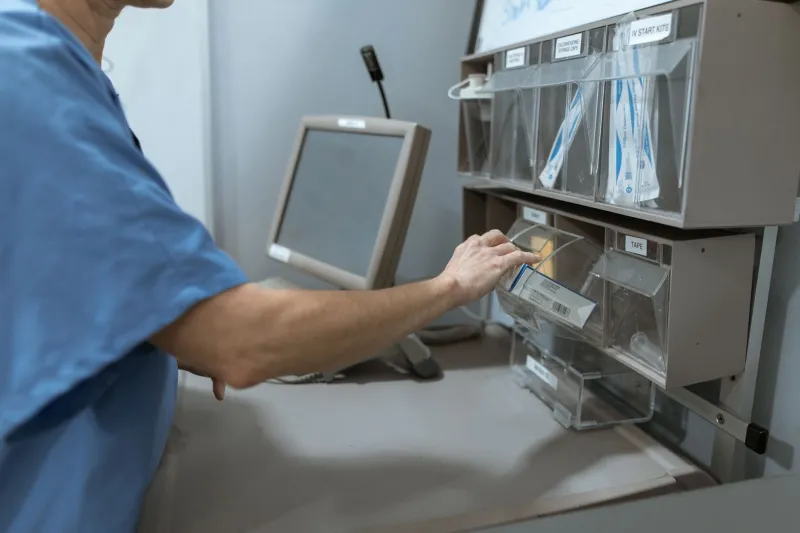
A vendor going silent is not only a customer-service problem. For a US clinic, it can become a clinical operations problem within days. Backorders, discontinued products, and unexplained shipment delays can leave exam rooms short of routine supplies and procedure areas short of critical items. The instinct to buy whatever is available is understandable, but panic buying often creates a second problem: inconsistent products, duplicate orders, and staff confusion. A written response playbook keeps the clinic calm, documented, and clinically safe.
First 24 hours: stabilize and document
When a supplier stops responding, designate one procurement lead to own the issue. Confirm the scope before escalating: which items are affected, which locations are short, and how many days of stock remain. Check the receiving area and secondary storage before placing new orders; clinics frequently have more inventory than the primary closet suggests. Log every communication attempt with the vendor, including dates, names, and promised follow-up. Do not allow multiple staff members to place duplicate emergency orders for the same item.
If the shortage affects a high-risk or procedure-critical item, notify the clinical lead immediately. The goal of the first day is not to solve the entire shortage. It is to establish facts, prevent duplicate purchasing, and protect the items that matter most.
Read the contract before you improvise
Most supply contracts address interruption, but the details matter. Review notice requirements, substitution approval rights, price protection, allocation language, delivery obligations, and termination remedies. Check whether the vendor must notify the clinic of a discontinuation or backorder within a specified period. Confirm whether the clinic has the right to reject a proposed substitute or must accept a clinically equivalent product. If the contract includes a force majeure clause, do not assume it applies automatically; the clause may require notice and documentation.
Keep a short contract summary in the procurement file: primary contact, escalation contact, notice period, substitution rule, price-change rule, and termination window. When a vendor goes silent, that summary saves hours of searching and helps the clinic respond consistently.
Evaluate clinical equivalency, not just product category
A substitute is not equivalent simply because it fits the same general description. For clinical supplies, review FDA clearance or registration status where applicable, manufacturer, materials, dimensions, sterility, storage requirements, expiration dating, and compatibility with existing equipment. For items used in procedures, confirm that the substitute works with the clinic’s current trays, connectors, and protocols. For high-risk items, require review by a clinician, pharmacist, or infection-prevention lead before use.
Document the equivalency decision. Record who reviewed the product, what was compared, and any limitations on use. If a substitute is approved for a limited period or a specific patient population, state that clearly. Informal swaps are the most common source of clinical error during a shortage.
Communicate with staff and patients
Staff need to know what changed, where the substitute is stored, and whom to contact if it does not perform as expected. Use a short daily huddle or a standing update during the shortage. Update the formulary or inventory system, label substitute bins clearly, and remove discontinued products from active storage to prevent accidental use. If the substitute affects patient instructions or procedure preparation, provide a brief script for front-desk and clinical staff. Patients notice inconsistency; a clear explanation is better than an improvised one.
Build a three-tier backup-sourcing framework
A practical framework separates normal replenishment from emergency sourcing. Tier one is the primary vendor and authorized distributor. Tier two is a pre-qualified secondary distributor or group purchasing organization channel. Tier three is a regional distributor, a local health-system partner, or a clinically approved equivalent product from another manufacturer. Define trigger points in advance: for example, activate tier two when stock falls below a stated number of days and the primary vendor has not confirmed a ship date.
Keep the framework short enough to use. List contacts, account numbers, minimum order requirements, and typical lead times for each tier. Review it twice a year and after any shortage event. The framework should also include a rule against hoarding: order to the documented shortage, not to a fear-based forecast.
Practice disciplined buffer stock
Buffer stock is useful only when it is measured. Calculate safety stock for critical items using recent usage, vendor lead time, and a realistic demand variation. Rotate stock by expiration date and track it in the same system as active inventory. After the shortage ends, reduce excess buffer stock deliberately rather than letting it become permanent clutter. The clinic that emerges from a backorder with a clear par-level update is stronger than the clinic that emerges with shelves full of unverified substitutes.
Close the loop
After the vendor responds or the shortage resolves, conduct a brief after-action review. What caused the shortage? Which contract clause helped or hindered the response? Did the substitute perform as expected? Were staff informed clearly? Update the item master, par levels, vendor contacts, and backup-sourcing list. A vendor-silence playbook is not a prediction of failure; it is a commitment to respond with evidence, clinical judgment, and controlled communication rather than panic.