Seven Cold-Chain Equipment Checks That Stand Between Your Clinic and a Wasted Vaccine Shipment
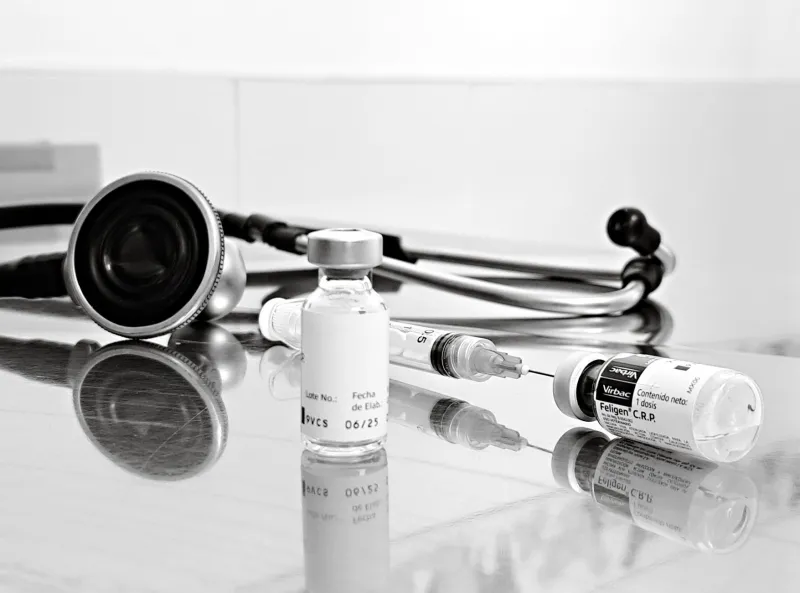
A vaccine refrigerator that drifts four degrees warm for six hours does not notify the practice manager's inbox. It simply stops doing its job, quietly, and the clinic learns about it when a titer comes back low or an immunization program requests documentation. Cold-chain failures are rarely dramatic. They are cumulative and administrative, and they are usually discovered by someone else.
The audit below is organized as seven equipment checks a US clinic can complete in a single afternoon. It does not replace your state immunization program's requirements or current federal vaccine storage and handling guidance, both of which should govern your written policy. It is a way of confirming that the equipment in your building is capable of meeting those requirements on an ordinary Tuesday in November.
Check 1: The Primary Unit Is Purpose-Built
Walk to the vaccine storage unit and confirm what it actually is. Purpose-built pharmaceutical refrigeration maintains a narrow temperature band with forced-air circulation and holds temperature far more evenly than a household refrigerator, which cycles through wider swings and often cools unevenly between shelves. Domestic units — including combination refrigerator-freezers with a single compressor — are a recurring finding in program audits and a common cause of avoidable loss.
Record the manufacturer, model, serial number, and installation date. Note the unit's capacity against your current inventory. A refrigerator packed so tightly that air cannot circulate is a temperature-excursion risk even when the compressor is functioning correctly.
Check 2: The Freezer and Its Alarm Setpoints
Varicella and certain other products require frozen storage well below the refrigerated range, and the setpoints differ by product and manufacturer. Verify the freezer's configured setpoint against the package inserts for every product you stock, not against what the unit happened to be set to when it arrived.
Confirm the alarm thresholds are enabled and correctly configured — both the high and low limits. A freezer with alarms disabled, or with a delay long enough to mask a slow drift, offers the appearance of monitoring without the substance of it.
Check 3: Data Loggers, Placement, and Calibration
A digital data logger belongs in every storage unit, with a buffered probe positioned to measure product temperature rather than air temperature near the door. Confirm three things during the audit:
- Placement. The probe sits among the stored product, in the middle of the unit or in the warmest validated location, not clipped to the front of a shelf.
- Function. The logger is recording, its memory is not full, and its battery is current.
- Calibration. A current certificate of calibration is on file, traceable to a recognized standard, and within the interval the manufacturer specifies. Expired calibration certificates are among the most common documentation gaps found in clinic audits and one of the easiest to close.
Keep the certificates in the same binder or shared folder as your storage and handling policy, and note the next due date on the practice calendar.
Check 4: Backup Power and the Transfer Window
Identify which outlets serve the storage units and whether they are on emergency or generator-backed circuits. If a generator serves the building, ask when it was last load-tested and how long it can carry the refrigeration load alongside other critical systems.
Then examine the practical side of an outage: does the clinic have a documented plan for moving product to an alternate storage site, and does that site have capacity and monitoring of its own? A generator that starts reliably but takes four minutes to come online is fine for a refrigerator with stable internal mass and less fine for a unit whose door has just been opened for a busy morning session.
Check 5: The Paper Trail, in One Place
Compliance questions are answered with documents. Assemble, in a single location, the following:
- Equipment specification sheets and installation records
- Current calibration certificates for every logger and every thermometer
- Temperature logs and data-logger downloads for the past two years
- Preventive maintenance records, including door gasket and condenser service
- The written storage and handling policy, with the date it was last reviewed
If any item takes more than ten minutes to locate, the record-keeping system is the finding, not the equipment.
Check 6: The Excursion Workflow — Who Gets the Call at 2 a.m.?
Temperature excursions are an operational event, not merely a number on a display. Verify that a named individual, with a documented backup, receives alarm notifications and knows what to do next.
The workflow should answer five questions without ambiguity: who is notified; who has authority to move product; where the alternate storage is; how the affected product is labeled and quarantined pending guidance; and who contacts the manufacturer and the immunization program for a viability determination. Staff should never discard product on their own judgment, and they should never return suspect product to general inventory.
Run a tabletop drill once a year. Ask a medical assistant to walk through the workflow as written and note every point where the written version and reality diverge.
Check 7: Doors, Gaskets, and the Habits Around Them
Open and close each storage door and feel the seal. Inspect gaskets for cracking, splitting, or compression set, and confirm the door self-closes and latches firmly. Verify that the unit sits with adequate clearance for condenser airflow and that coils are free of dust.
Then watch the room for a few minutes during a busy period. Are staff propping doors open while they restock? Are water bottles and staff lunches sharing shelf space with vaccine? Is the thermometer read and logged at the same time each day, or only when someone remembers? Equipment reliability and human habit fail together far more often than either fails alone.
Putting the Audit on the Calendar
| Check | Frequency | Owner |
|---|---|---|
| Unit inventory and setpoints | Annual | Practice manager |
| Logger calibration | Per manufacturer interval | Clinical lead |
| Backup power load test | Annual | Facilities |
| Document assembly | Quarterly | Office administrator |
| Excursion drill | Annual | Clinical lead |
| Gasket and condenser inspection | Semi-annual | Facilities |
The financial case is straightforward. Spoiled vaccine doses, repeat specimen collection, and unrecoverable claims from improperly stored samples all carry costs that never appear in a capital budget but do appear in a profit-and-loss statement. Twenty minutes per unit, once a quarter, is a modest price for avoiding them — and for being able to answer an inspector's question with a document rather than an assurance.